

BUILDING PERMIT
Unlocking Hawaii's Building Code Mysteries: From Permits to Paradise
Building permits can be confusing, time-consuming, and stressful without the right guidance. This website helps property owners, contractors, and developers better understand the permit process, code requirements, plan review issues, inspections, and common problems that can delay approval. Whether you are planning a new project, responding to corrections, or trying to avoid costly mistakes, we provide practical information to help you move forward with confidence.

Building Permits
Building permits are required per ROH Sec. 18-3.1. All work completed, whether or not a permit is required, shall comply with all building codes and regulations.
Building permits are required to construct, alter, or demolish any structure; do electrical work over $2,500; do plumbing work over $2,500; or do building (no electrical & no plumbing) repairs over $10,000 within a 12-month period. Interior renovations regardless of valuation that do not affect building square footage or number of rooms or bathrooms, modify the location of rooms, walls, or windows, and do not involve any electrical, plumbing, or mechanical installations are exempt from building permits. All work done shall be in compliance with the current building codes.
Building Permits 101: Types
This is an overview of the types of building permits commonly required in Hawaii:


1. Building Permit—New Construction
This permit is required for new buildings, additions, and major renovations.


2. Building Permit—Demolition
This permit is required for new buildings, additions, and major renovations.


3. Electrical Permit
This permit is needed for electrical installations, repairs, or modifications in a building.


4. Plumbing Permit
Required for plumbing work, including the installation or repair of water supply and drainage systems.


5. Mechanical Permit
This permit covers the installation or repair of mechanical systems, such as HVAC (heating, ventilation, and air conditioning) systems.


6. Accessory Dweling Unit (ADU) Permit
Hawaii has specific regulations for ADUs. You'll need this permit if you plan to build or convert an accessory dwelling unit.


7. Grading Permit
This permit covers the installation or repair of mechanical systems, such as HVAC (heating, ventilation, and air conditioning) systems.


8. Sign Permit
Hawaii has specific regulations for ADUs. You'll need this permit if you plan to build or convert an accessory dwelling unit.


9. Solar Permit
Required for the installation of solar panels or other solar energy systems.


10. Fence Permit
Some areas in Hawaii require a permit for building or replacing fences, especially if they exceed certain height restrictions.


11. Land Use Permits
These permits are needed for changes in land use, zoning, or property division. They can include Special Management Area (SMA) permits, shoreline setback variances, and more.


12. Environmental Permits
If your construction project impacts the environment, you may need environmental permits, such as those for shoreline protection or wetland preservation.


13. Historical Preservation Permit
If your project involves a historic building, you may need a permit to ensure it complies with preservation guidelines.
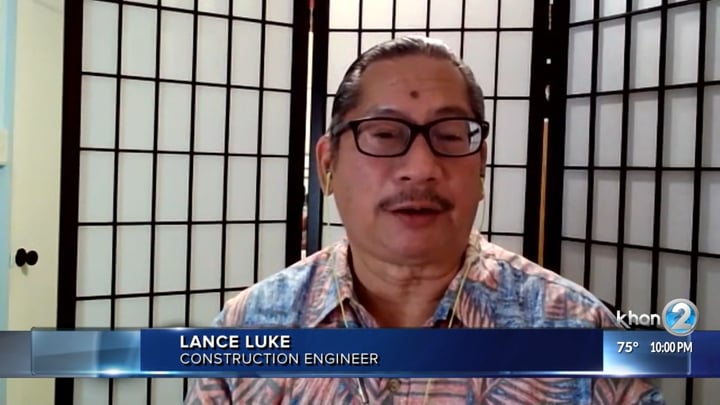
LANCE LUKE
National Building Expert and Permit Consultant


Lance Luke has over 45 years of experience in the construction and building permit procedures, with a focus on construction safety and compliance. As a building permit consultant, he has advised property owners, businesses, and condo associations on a wide range of building permit-related issues, including permit applications, approvals, and compliance.
In addition to his extensive consulting experience, Mr. Luke is a sought-after speaker and author on topics related to construction, permits, and building safety. He has published numerous articles in over 750 local and national print and electronic media outlets and has been a featured guest on national media shows such as Times Square Today, Hollywood Live, and the Brian Tracy Show.
As a past expert witness for the state of Hawaii DCCA RICO Contractor’s License Board for over 15 years, Mr. Luke has provided testimony in numerous legal cases related to building permit and construction disputes, including claims related to permit violations and construction-related issues.
Currently, Mr. Luke gives numerous webinars on building permits and construction-related topics and offers expert guidance and advice to clients through his website. He also served as a consultant to national media regarding the recent extreme weather events, providing his insights and expertise on the impact of such events on construction projects and building permits.
Watch his exclusive EXPERT MASTERCLASS WORKSHOP and learn more about Lance and his expertise in Building Permit

Nail It: How To Team Up With Your Contractor
Don't Take No B.S. (Builder Stupidity)


View Other Lance Books and Download the Publication of Your Choice for Your Building & Construction Health & Safety
COMMON BUILDING PERMIT ISSUES
Introducing our Services


Code Compliance:
Many construction projects face challenges in meeting the specific building codes and regulations set by the local authorities. Non-compliance can lead to permit rejections or project delays.


Permit Delays and Processing:
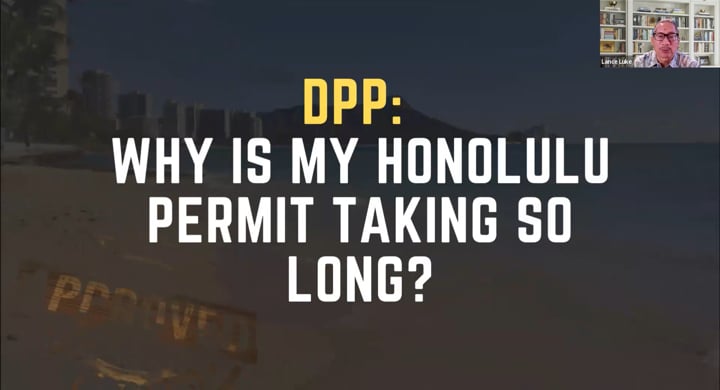
Lengthy processing times for permit approval can hinder construction timelines, causing inconvenience and financial setbacks for property owners or contractors.


Permit Expired or Lapsed:
Sometimes, due to various reasons, a permit might expire before the completion of the project, requiring a renewal or extension, which can complicate the process.


Zoning Restrictions:
Building permits might be denied or delayed due to zoning restrictions or land use issues. This could be related to the property's location, size, or the intended use conflicting with local regulations.


Incomplete or Incorrect Documentation:
Incorrect or incomplete permit applications often lead to rejection or delays in the approval process.


Neighbor Opposition or Complaints:
Sometimes, objections from neighboring property owners or community members can stall or complicate the permit process.


Environmental Impact Concerns:
Construction projects might face issues related to environmental impact assessments, especially in sensitive areas or when there's a lack of proper studies or reports.


Historical Preservation Requirements:
If a property falls within a historical area, complying with preservation requirements and guidelines can pose challenges for permit approvals.


Inspection Failures:
Even after the permit is obtained, failure to pass inspections due to not meeting specific standards or requirements can halt progress until the issues are rectified.
ADDRESS
820 W Hind Dr, Honolulu, HI 96821, USA
FOLLOW

